
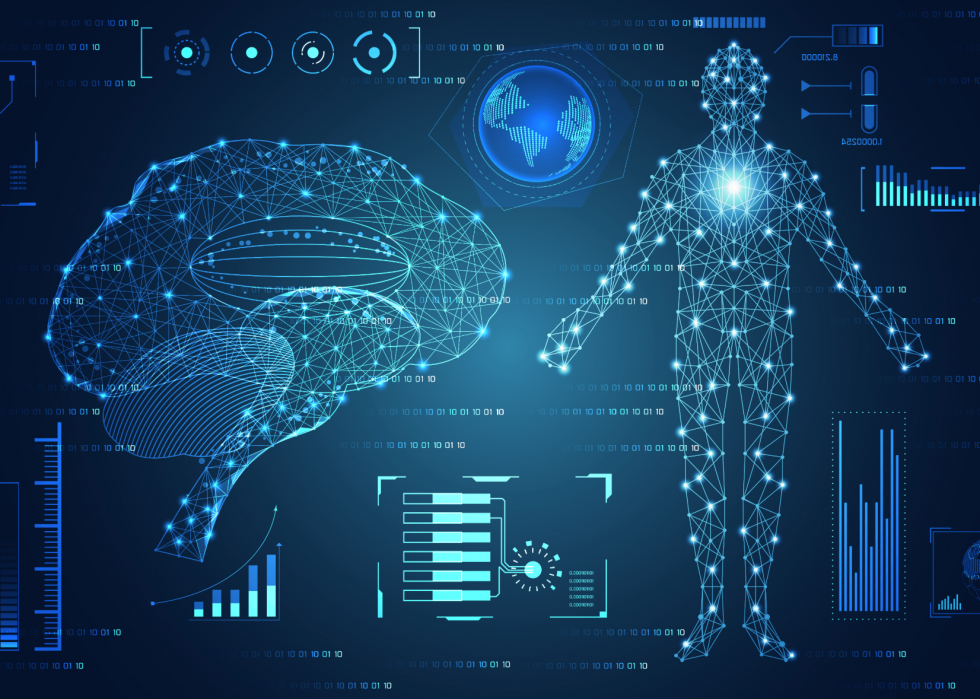
Digital Twin Technology to Alternative Substrates
Digital twin technology represents a groundbreaking frontier in artificial intelligence, simulation, and human augmentation. By creating highly accurate virtual replicas of individuals—encompassing their biology, cognition, behavior, and experiences—the concept extends beyond traditional digital twins in engineering or manufacturing to the possibility of uploading or transferring these replicas to alternative substrates. These substrates range from biological cells and tissues to synthetic or hybrid systems, enabling applications in healthcare, neuroscience, robotics, and beyond.
This article explores three primary paths for achieving the integration or uploading of digital twins into alternative substrates, each with distinct mechanisms, technologies, and potential real-world impacts.
Path 1: Genetic Engineering and Cellular Integration
- Vector Selection:
- Utilize viral vectors (AAVs, lentiviruses) for gene delivery and integration into host cells.
- Design synthetic biological constructs for targeted delivery and expression of digital twin data.
- Cellular Substrates:
- Choose specific cell types (stem cells, neurons, immune cells) as host substrates for digital twin integration.
- Optimize cellular environments for gene expression, stability, and functionality of uploaded digital twins.
- Technological Enhancements:
- Employ gene editing tools (CRISPR-Cas9) for precise integration and modification of digital twin data within host genomes.
- Incorporate optogenetic switches for controlled activation and regulation of digital twin functions within cells.
- Applications:
- Medical and Healthcare: Use cellular avatars for personalized disease modeling, drug testing, and therapeutic development.
- Brain-Computer Interfaces: Integrate digital twins with neural networks for cognitive simulations and neural control applications.
Path 2: Nanoparticle Delivery and Tissue Engineering
- Nanoparticle Vectors:
- Develop lipid nanoparticles or exosome-based delivery systems for targeted transfer of digital twin payloads.
- Utilize quantum dots for tracking and monitoring digital twin interactions within biological substrates.
- Tissue Substrates:
- Create 3D bioprinted tissues or organoids incorporating digital twin data for functional tissue modeling and drug screening.
- Design biohybrid systems combining biological components with digital twin payloads for enhanced adaptability.
- Advanced Technologies:
- Explore AI-driven optimization techniques for optimizing substrate-host interactions and data integration.
- Implement blockchain-based security measures for secure data storage, authentication, and audit trails.
- Applications:
- Robotics and AI: Develop robotic avatars or AI companions based on digital twin blueprints for human-machine interactions.
- Synthetic Biology: Create synthetic organisms or biological systems for novel functionalities and capabilities based on digital twin data.
Path 3: Neuroprosthetics and Brain-Machine Interfaces
- Neural Transfer Mechanisms:
- Utilize optogenetic techniques for precise control and manipulation of cellular functions in neural networks.
- Interface digital twins with neuroprosthetic devices or brain-machine interfaces for cognitive enhancements.
- Neural Substrates:
- Integrate digital twins into neural networks or brain-inspired computing systems for enhanced decision-making and predictive analytics.
- Develop brain-computer interfaces for direct brain uploads and cognitive enhancements through neurofeedback loops.
- Innovative Applications:
- Neuroprosthetics: Combine digital twins with neuroprosthetic devices for restoring sensory-motor functions and enhancing human-machine interactions.
- Brain-Computer Interfaces: Explore consciousness uploads and substrate transfers for cognitive enhancements and neural control applications.
Each path represents a distinct approach to achieving the uploading of digital twins to alternative substrates, showcasing the versatility and potential of this transformative technology across different domains.
Part 2 or related explorations coming soon!